Vietnam
Vietnam
Let’s start at the very beginning. How do we even enter the Country?
Vietnam’s Visa Options
Tourist Visa
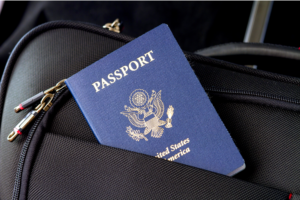
The Tourist Visa is best if you are visiting for the first time. It has a 1-3 month or 90 day duration and costs $25 for single entry and $50 for multiple entry. In order to obtain this visa, you must apply through Vietnam’s online e-visa portal or the Consulate and embassy.
This is the ultimate gift for the aspiring nomad. Coming up with $25 to $50 should be pretty easy for anybody. If you can’t afford that, start selling things on Ebay or Estsy. When you include the cost of Airfare and everyday expenses within Vietnam, this really is the cheapest way to enter, explore, and see how you like the country. 1-3 months should be more than enough time to visit locations to live in and familiarize yourself with daily expenses. After your initial recon mission, you should have more than enough information to look for an apartment, or other living arrangements with in Vietnam. Additionally, you can work on a realistic budget to meet your wants and needs while living there.
Temporary Residency Visa
The Temporary Residency visa allows for a longer stay with a duration of 1-3 years. This visa requires sponsorship from either an employer or a family member. Additional documentation you will need are:
- Passport
- NA6/NA8 application
- Sponsorship letter
1-3 years is a big commitment, so it would be smart to go for the Tourist Visa first. Be proactive and use the Tourist Visa’s three month duration to get any additional paper work such as the NA6/NA8 application and your sponsorship letter. Vietnam has essentially set it’s visa programs up like stepping stones, using one visa to prepare you for the next visa.
Permanent Residency Permit
For long term living in Vietnam, you will need the Permanent Residency Permit. You must live in Vietnam a minimum of three years under the Temporary Residency Visa before you can qualify. You will additionally provide the following documentation:
- employment and salary status
- sponsorship by a Vietnamese citizen (Usually a family member)
- Health Insurance Passport
- Criminal record.
Once you meet the requirements and obtain permanent residence, you can mostly do everything a citizen can do, except vote.
Cities, Activities, and Cost Of Living
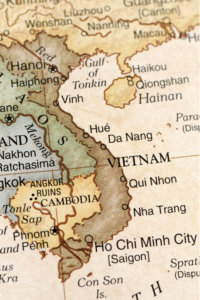
Now, let’s get to the fun part, saving money while site seeing in another country. Affordability is the top reason to visit or move to Vietnam. Living cost for a single person ranges between $500 – $620 for all expenses including rent. Compare that to the state Ohio where the average rent alone is $1081. Now, this can, of course, vary depending on where and how you are living. If you want to live a more high end life, well, make sure you budget accordingly. Reguardless of you lifestyle, Vietnam is still better for your bank account than your actual bank. Build a GEO-Arbitrage strategy and secure a digital nomad job. After that, you will gain a lot of flexibility for your spending habits.
Ho Chi Min
Consider living in Ho Chi Min, down in southern Vietnam, formerly known as Saigon. This is the largest city in Vietnam and comes with all modern amenities, so if you enjoy the New York City life style, but don’t like the New York City cost of living, Ho Chi Min will be a good substitute. A bonus for your consideration is that you won’t be the only foreigner there. It is a popular hub for nomads and expats. Lodging such as Airbnbs and apartments will cost between $800 – $1200 per month in a good area.
The Cites
Once you arrive, there is a lot to see and do, but it depends on what peaks your interests. If you are a history nerd then take a look at there unique historical monuments and architecture. Vietnam has a rich history with with multiple cultural influence ranging from France to China. French colonialism established one of the country’s most notable monuments: Notre Dame Cathedral. This church was constructed in 1877 and was completed in 1880. It was built for the French Catholics settling in Saigon. It’s defining features are its red colored bricks and the statue of Our Lady of Peace.
Another grand monument and piece of Vietnamese culture to visit is the Emperor Jade Pagoda. Constructed in the 20th century by a Chinese business man who moved to Vietnam and built the temple for Buudism, Taoism, and Confusionism. Visitors will find a plethora of culture and customs here. there is a room dedicated to the worship of the Jade emperor or statues of Kim Hoa Thanh Mau and her 12 midwives who are believed to help couples who are struggling with childlessness.
Local Culture
Now some reading this article are probably more interested in immersing themselves into modern Vietnamese culture. In that case, Cho Lon, Saigon’s China Town, is the place for you. Here, you can visit the Binh Tay Market for Chinese food and produce. Despite it’s Chinese influence, it is geared towards locals so it provides a more immersive experience. Visitors will find Chinese medicine pharmacies and the Lantern Street that is a market place for all things associated with festivals.
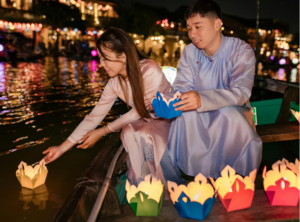
Then there is the residential area with architecture similar to that in Hong Kong, such as Hao Si Phuong. This old alley way of apartments houses predominantly people of Chinese descent. Additionally, Cho Lon features a number of landmarks such as the Cha Tam church, also called the St. Francis Xavior Church, or temples like the Lady Thien Hau Pagoda or Nhi Phu Temple. Saigon’s China Town is a location for those who truly want to immerse themselves in unique parts of Vietnamese culture and historical influences.
Da Nang
If the main reason for moving to Vietnam is affordability, then look no further than Da Nang. This city is in central Vietnam, is praised for its low cost of living. A two bedroom apartment in a nice location will cost around $500 – $800 per month. Other major expenses such food and transportation are estimated to cost $191 and $41.5 respectively per month.
Now, just because it is cheap does not mean that it is boring. There is a lot to see and do in Da Nang. Between the Son Tra Peninsula and the Marble Mountains is the beautiful My Khe Beach. This is a great spot for the more physically and socially active individuals. This is where you go for fun in the sun. You can get involved in volleyball, windsurfing, diving, and more. Much of which is hosted by venders on the beach itself.
For those who want to mix site seeing with fun attractions then Ba Na Hills would be a recommended spot. It sports a variety of interesting architecture, much of which is inspired by the French, and displays the famous Golden Bridge, noted for its two large stone hands supporting its structure.
There is so much more to Vietnam than what is contained in this article. And at the end of the day this is meant to open your eyes to what is possible. For another fun and affordable country, check my article on Thailand.